


-

Add: HeBei ShengShi HongBang Cellulose Technology CO.,LTD.
-

Email
13180486930@163.com -

CONTACT US
+86 13180486930
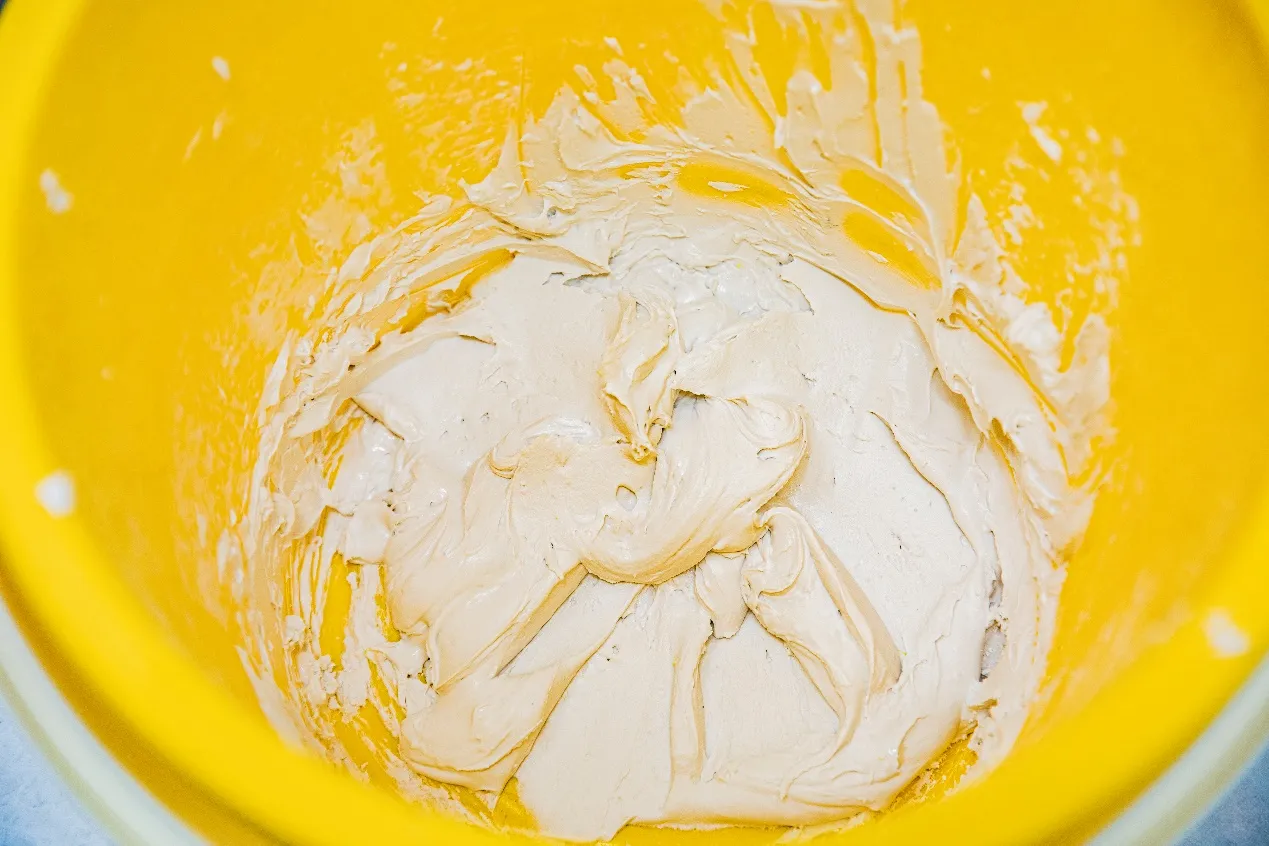


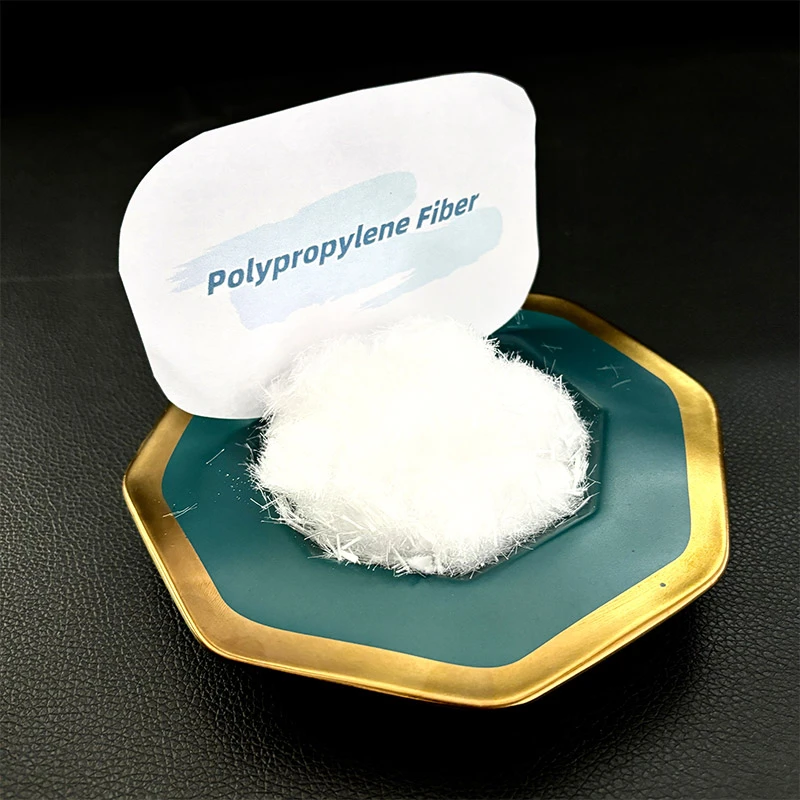
The Use of Polypropylene Fibre in Concrete Enhancing Durability and Performance Concrete is one of the most widely used construction materials in the world, renowned for its strength and durability. However, traditional concrete has inherent limitations, such as brittleness and susceptibility to cracking. To address these weaknesses, engineers and researchers have explored various methods of enhancing concrete's performance, one of which is the incorporation of polypropylene fibres. This article delves into the benefits of polypropylene fibre concrete, its applications, and its role in modern construction practices. Understanding Polypropylene Fibres Polypropylene is a thermoplastic polymer often used in a variety of applications, including packaging, textiles, and automotive components. When used as a reinforcement material in concrete, polypropylene fibres help improve the material's overall properties. These fibres are typically available in lengths ranging from 6 mm to 19 mm, depending on the specific application. Their lightweight and durable nature contribute significantly to enhancing the performance of concrete. Benefits of Polypropylene Fibre Concrete 1. Crack Control One of the most significant advantages of incorporating polypropylene fibres into concrete is their ability to control cracking. Traditional concrete can develop micro-cracks due to shrinkage, thermal changes, and stress loads. Polypropylene fibres help to inhibit the growth of these cracks by redistributing stresses within the concrete matrix. This results in improved crack resistance, particularly in thin slabs and surfaces exposed to environmental conditions. 2. Improved Impact Resistance Polypropylene fibre-reinforced concrete exhibits enhanced impact resistance compared to conventional concrete. The presence of fibres helps to absorb and dissipate energy, making the material less prone to failure under sudden loads. This property is particularly valuable in applications where high-impact forces are expected, such as in industrial flooring and pavement. 3. Increased Durability The addition of polypropylene fibres can significantly improve the durability of concrete. The fibres reduce the permeability of the concrete, thereby limiting the ingress of harmful chemicals, water, and chloride ions that can lead to corrosion of reinforcement bars. This characteristic is vital for structures exposed to harsh environmental conditions, such as marine environments or areas with high road salt usage. polypropylene fibre concrete 4. Enhanced Flexural Strength Polypropylene fibres contribute to improved flexural strength of concrete. Their presence allows for better load distribution, reducing the likelihood of bending and deformation under stress. This enhanced strength can be particularly crucial in applications such as bridges and parking structures, where load-bearing capacity is essential. 5. Reduction in Construction Costs By improving concrete’s durability and longevity, the use of polypropylene fibres often leads to reduced maintenance and repair costs over time. Furthermore, the ability to use thinner slabs without compromising performance can expedite construction processes and reduce material costs . Applications of Polypropylene Fibre Concrete The versatility of polypropylene fibre concrete makes it suitable for a multitude of applications. Its properties are particularly beneficial in - Industrial Flooring High-impact and heavy-load industrial environments benefit immensely from the use of polypropylene fibre-reinforced concrete. - Pavement and Roads The enhanced crack resistance and durability provided by polypropylene fibres help extend the lifespan of pavements and roads, thus improving safety and reducing repair frequencies. - Precast Concrete Products The use of fibres in precast products allows for thinner and lighter components without sacrificing performance, making transportation and installation easier. - Shotcrete Applications In tunneling and mining, polypropylene fibres are commonly used in shotcrete to improve stability and reduce rebound. Conclusion The integration of polypropylene fibres into concrete represents a significant advancement in construction technology. The ability to enhance fundamental properties such as crack resistance, impact strength, and durability makes polypropylene fibre concrete an attractive option for modern construction projects. As the industry continues to evolve, the adoption of such innovative solutions will likely become even more common, yielding structures that are not only stronger but also more sustainable in the long run.
- 40000tons

Production
- 20+years

Experience
- 5000+㎡

Acreage

-
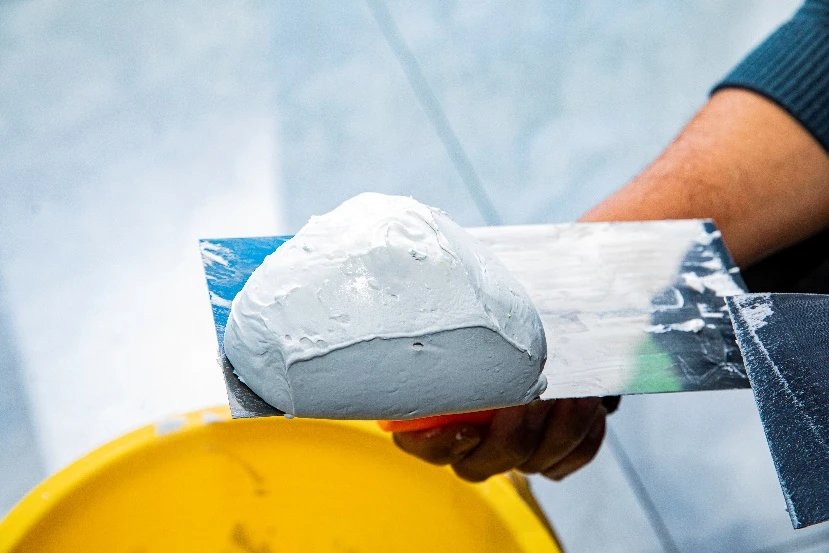
Large format tiles are becoming increasingly popular in both residential and commercial construction due to their sleek, modern look and ability to cover larger surface areas with fewer seams. However, installing these heavy tiles can present unique challenges, especially when it comes to adhesion. Rubber Powder-821 is the perfect solution to ensure a strong, lasting bond for large format tiles. This article explores how rubber powder-821 enhances tile adhesion, making it the ideal choice for these large and heavy installations. Why Large Format Tiles Require Special Adhesive Solutions The size and weight of large format tiles mean that traditional adhesives may struggle to provide the strength and flexibility needed for secure bonding. As these tiles are typically thicker and heavier than smaller tiles, they require a special adhesive that can hold them in place without cracking or losing its bond. Rubber Powder-821 is specifically designed to address these challenges by providing superior bonding strength, making it an essential ingredient in large tile installations. One of the key benefits of rubber powder-821 is its ability to enhance adhesion on both smooth and rough surfaces, ensuring a solid grip for large format tiles. This ensures that even when tiles are placed on less-than-ideal substrates or surfaces that may shift, the adhesive will provide the necessary holding power for a long-lasting installation. The Role of Rubber Mask Powder in Tile Adhesive Performance One of the ingredients in rubber powder-821 is rubber mask powder , which plays a crucial role in improving the adhesive's performance. Rubber mask powder is known for its ability to improve the cohesion of the adhesive and enhance its flexibility. This is especially important when installing large format tiles, as these tiles can shift or expand due to changes in temperature or humidity. Incorporating rubber mask powder into the adhesive ensures that the bond remains intact over time, even if the tiles experience slight movements or surface settling. The increased flexibility also reduces the likelihood of cracks forming in the adhesive, which is a common problem when traditional adhesives are used for large format tiles. This results in a more durable, stable bond that keeps the tiles securely in place for years to come. Silicone Rubber Powder: Enhancing Adhesive Durability for Heavy Tiles Another critical component of rubber powder-821 is silicone rubber powder , which helps to enhance the adhesive's overall durability. Silicone rubber powder is known for its excellent water and heat resistance, making it an ideal material for tile adhesives that need to withstand the demands of large format tiles. The inclusion of silicone rubber powder improves the ability of the adhesive to maintain its performance under varying temperatures and humidity levels, which is especially important for large tiles that are often installed in kitchens, bathrooms, or outdoor spaces. By increasing the resilience of the adhesive, silicone rubber powder ensures that the tiles remain bonded even in high-traffic areas, or where moisture or heat exposure might otherwise cause an adhesive to break down. The silicone's long-lasting properties help keep the adhesive intact, maintaining a strong bond for the entire life of the tile installation. Sticky Rubber Talcum Powder: Enhancing Workability and Application Sticky rubber talcum powder is another essential component in the formulation of rubber powder-821 . The addition of talcum powder improves the workability and spreadability of the adhesive, making it easier to apply to the surface. This is particularly beneficial when working with large format tiles, as the adhesive needs to be spread evenly and quickly to ensure proper bonding. The inclusion of sticky rubber talcum powder allows the installer to achieve a smooth, uniform layer of adhesive, even when working with large tiles that require precise placement. The powder's lubricating properties also help prevent the adhesive from drying out too quickly, providing a longer working time and preventing premature setting that could cause tiles to shift or misalign during installation. Rubber Powder-821 offers a unique blend of flexibility, durability, and ease of application that makes it the ideal adhesive for large format tile installations. The combination of ingredients like rubber mask powder , silicone rubber powder , and sticky rubber talcum powder ensures that the adhesive not only holds tiles securely in place but also adapts to the challenges posed by the size and weight of large format tiles. For those looking to ensure a perfect, long-lasting tile installation, rubber powder-821 is the best choice. Its superior bonding strength and enhanced flexibility make it the ideal solution for demanding applications. Visit our website today to explore rubber powder-821 and learn more about how it can transform your large tile installation projects into successful, durable endeavors.
-
Chemical materials have become an integral part of countless industries, enabling innovations and improving the quality of everyday products. Understanding the relevance and application of these materials can unlock potential for businesses and innovators alike . The chemistry behind these materials, their synthesis, applications, and safety considerations are imperative in establishing authority, expertise, and trustworthiness in the field. At the core of understanding chemical materials lies the expertise in their categorization and application. Chemical materials include polymers, ceramics, alloys, composites, and bio-materials, each playing unique roles in industrial and consumer applications. For instance, polymers such as polyethylene, polystyrene, and polyvinyl chloride are pivotal in the manufacturing of packaging materials, household goods, and clothing. Their versatility stems from customizable properties like flexibility, durability, chemical resistance, and cost-effectiveness. Ceramics, known for their thermal stability and hardness, contribute significantly to the creation of heat-resistant tiles, insulators, and optical materials. Expertise in ceramic engineering can push boundaries in electronics, automotive, and aerospace industries, promoting innovation and efficiency. Alloys, a union of metals, expand possibilities in structural applications due to their enhanced mechanical properties. The expertise in tailoring these alloys for specific applications like automotive parts, medical devices, and construction materials is critical to maintaining a competitive edge. The application of composite materials, which combine two or more constituent materials with differing physical or chemical properties, unveils new prospects in industries requiring lightweight yet strong materials. The aerospace and sporting goods industries benefit immensely from composites like carbon fiber-reinforced polymers due to their superior strength-to-weight ratio. Understanding the material science behind these composites allows for enhanced product performance and sustainability, reinforcing a company's innovative stature. Biomaterials merge the intricacies of biology with material science, creating substances suitable for medical applications such as prosthetics, dental implants, and tissue engineering. The safety standards and biocompatibility of these materials are paramount, demanding stringent testing and compliance with international regulatory bodies. Possessing expertise in biomaterials segments a company as a frontrunner in advancing medical technologies. chemical material The intricacies involved in the synthesis and processing of these chemical materials demand authoritative knowledge and experience. It is not only vital to innovatively synthesize these materials but also to sustainably source, process, and recycle them. Sustainable practices in material science, such as using bio-based polymers or recycled metals, significantly contribute to a company's trustworthiness and appeal in a market increasingly sensitive to environmental impacts. Furthermore, maintaining authoritative credibility requires adherence to high safety and quality standards. Industry certifications and accreditations testify to a company’s commitment to excellence and trust. Establishing trustworthiness involves transparency in sourcing materials, manufacturing processes, and engagement with stakeholders regarding product lifecycle and safety concerns. In a digital landscape where information is abundantly available, demonstrating expertise requires proactive engagement with research and continuous learning. Professionals involved in the development and application of chemical materials must bridge the gap between scientific breakthroughs and practical implementation, presenting information understandable both to peers and consumers. For businesses aiming to establish their expertise and authority, focusing on innovation in chemical materials is crucial. Practical applications explored through research collaborations and partnerships with academic institutions can lead to breakthroughs that redefine industries. Sharing such knowledge through credible platforms effectively positions a company as a leader in chemical materials, enhancing its visibility and reputation in both local and global markets. In conclusion, navigating the vast domain of chemical materials necessitates a blend of expertise, authority, trust, and experience. For companies in this field, this involves not only innovating with materials but also ensuring sustainable, safe, and efficient practices. By doing so, businesses not only contribute to technological advancements but also build a trustworthy brand that resonates with industry peers and consumers alike.
advantages
-

200000 Viscosities
Excellent product
We can produce pure products up to 200,000 viscosities
-

40000 tons
High yield
We don’t stop production all year round, and the annual output can reach 40,000 tons
-

24 hours
Quality service
We provide 24-hours online reception service, welcome to consult at any time
———— Inquiry Form
Schedule A services
-
 ether_d_amidon_dans_la_colle_a_carrelage
Oct . 25, 2025
The Versatile Uses of Crumb Rubber Powder Crumb rubber powder, a product derived from the recycling -
 synthetic_carbon_fiber
Oct . 25, 2025
Glass filled polypropylene, commonly known as glass filled PP, is a marvel of modern engineering tha -
 hpmc_e5_solubility
Oct . 25, 2025
Hydroxypropyl methylcellulose (HPMC) has rapidly gained prominence in various industries due to its


